Ideas
Landscape Architecture & Public Health
Our shared landscapes have the power to enhance physical, mental, and social well-being. As landscape architects, we create places that foster long-term resilience and healthier communities. Grounded in neurological research and inspired by nature, our work supports the healing process.

A Whole-Person Approach to Health
Comprehensive health extends beyond the physical to encompass mental and emotional well-being.
Through research with scientific and public health partners, we explore how design can integrate a deeper understanding of diverse human experiences.
Neuro-Inclusive Design
From autistic children to aging seniors, people perceive and navigate environments in different ways. Embracing neurodiversity, our studio studies the neurological factors that shape processing, memory, and movement translating these insights into spaces that are engaging, legible, and welcoming to all.
Neuro-Inclusive Design Book List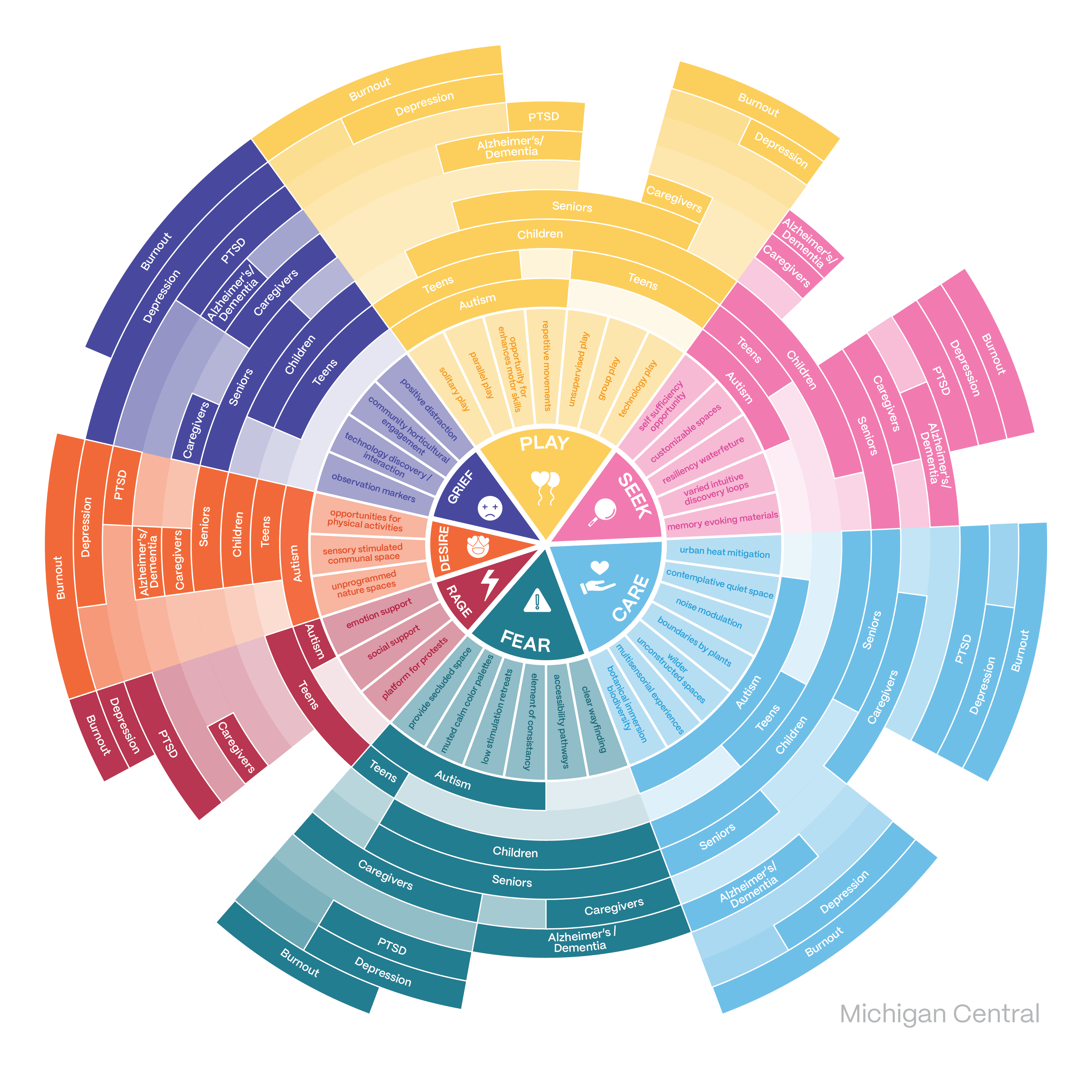
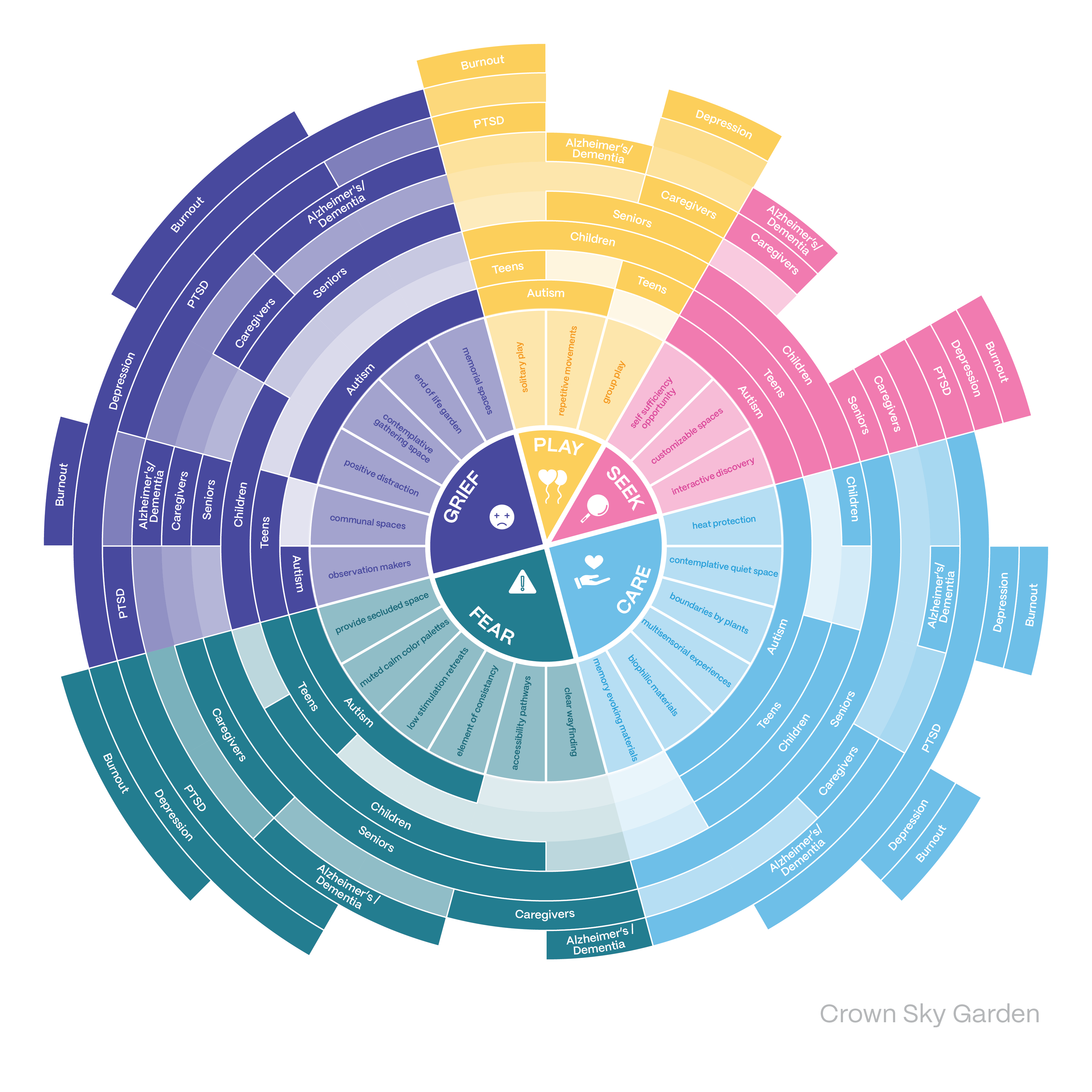
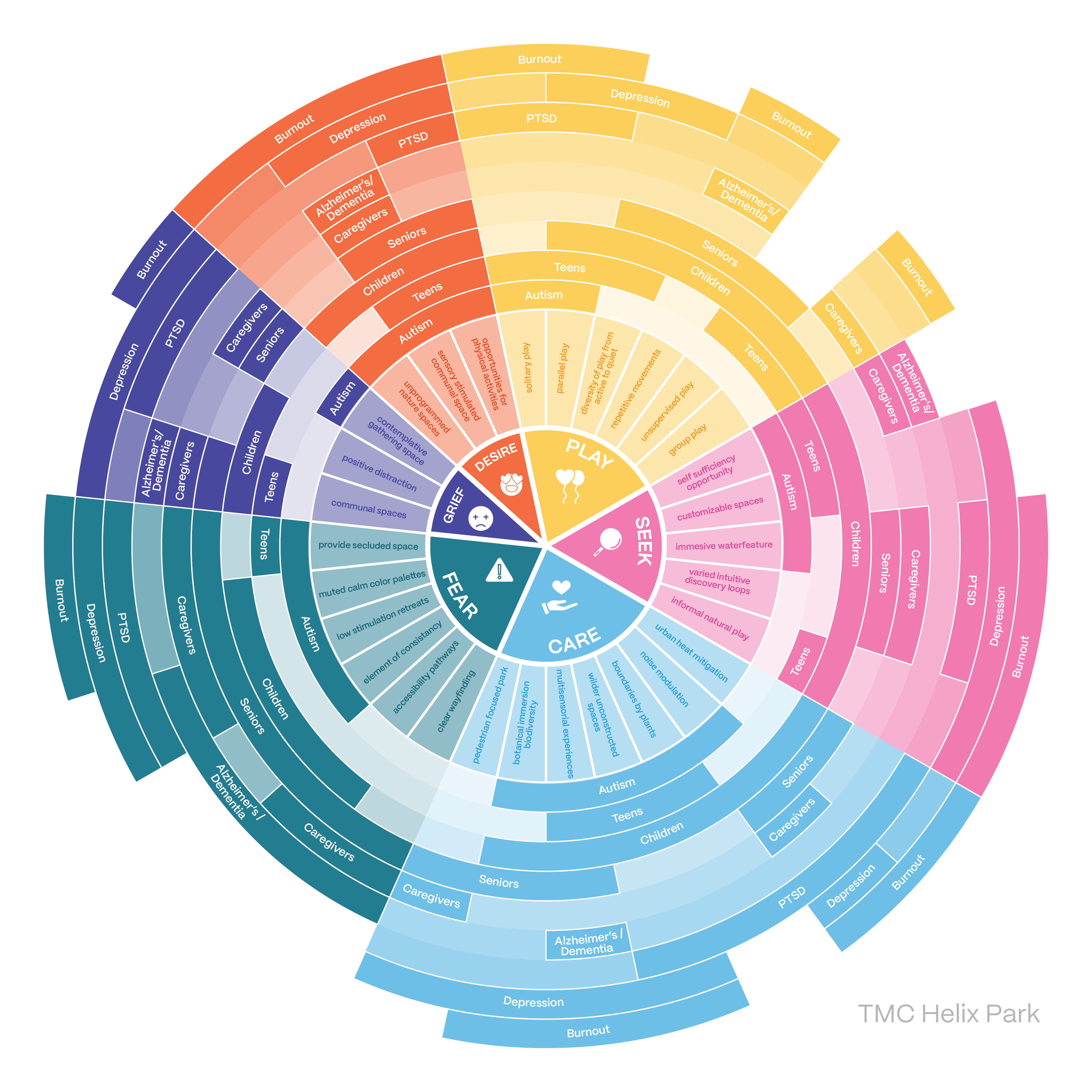
Emotional Design Thinking
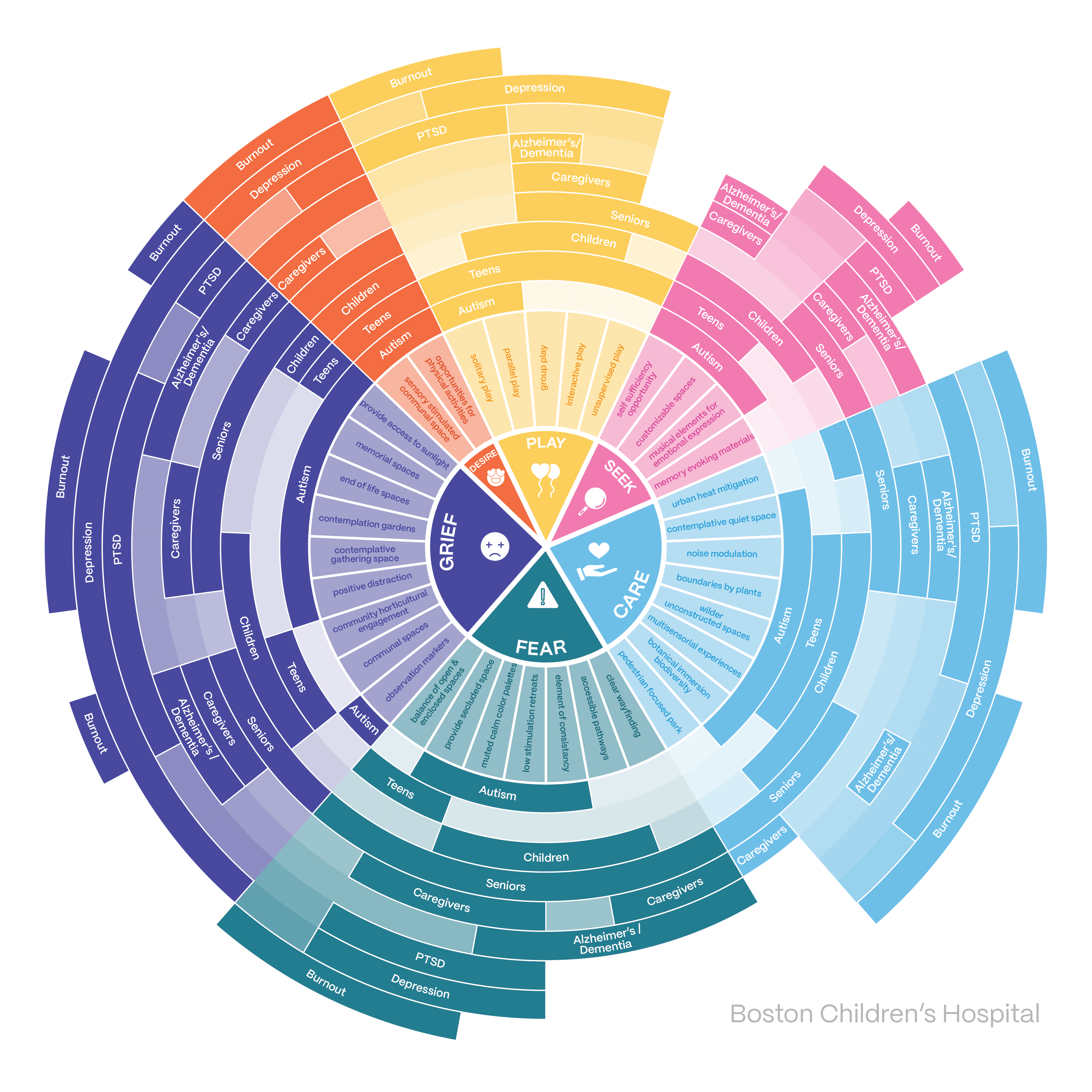
Our world is colored by how we feel. Emotional processing is impacted by our physical and social environments.
Our studio has developed a framework to guide the design of emotionally considered spaces with a multisensory approach to design, acknowledging the wide range of emotions that shape our perception in the designed environment.
Affective Design: An Emotional Systems Framework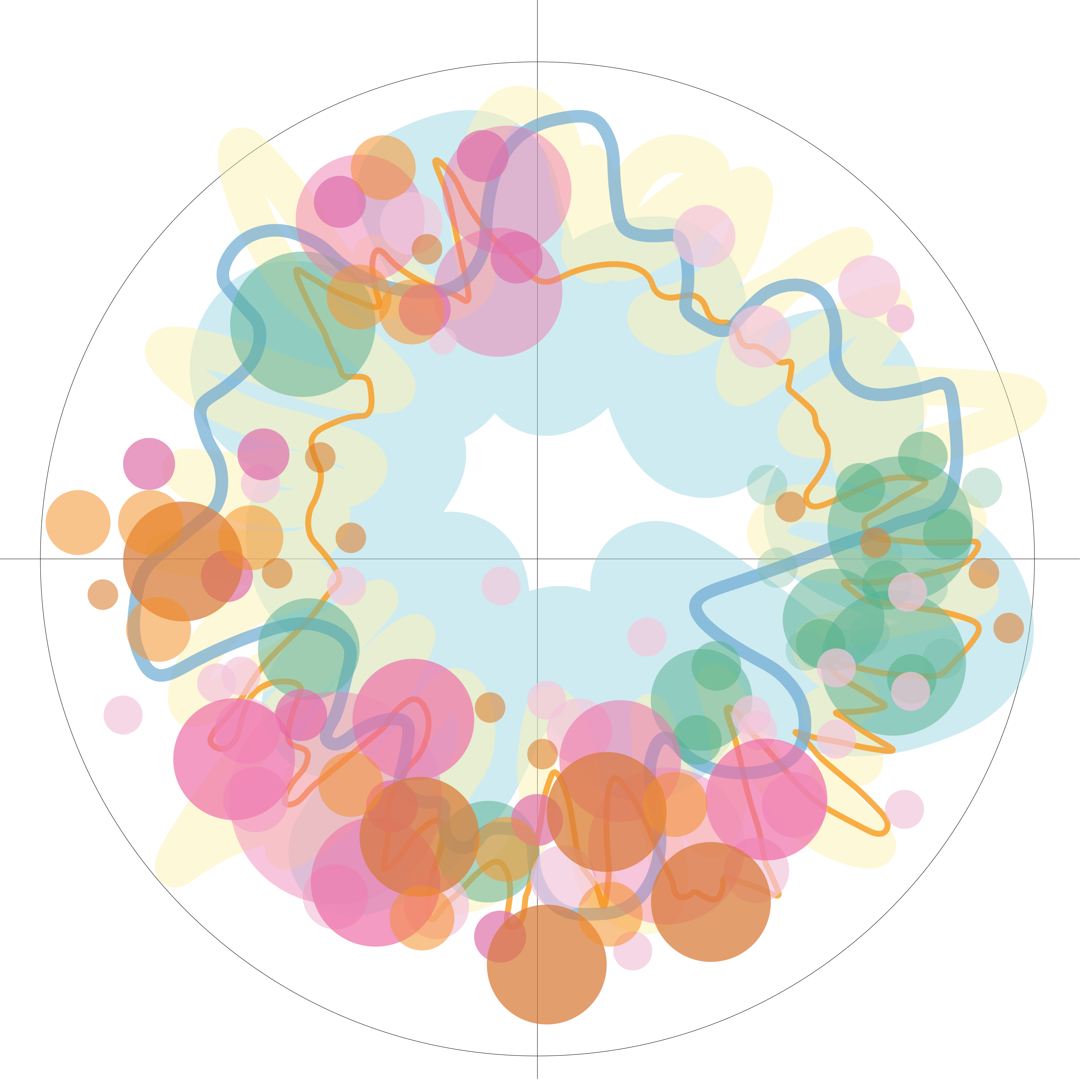
Design for Our Senses
Landscapes are multi-sensory environments that evoke emotions, memories, and connection to place. In collaboration with our research partners, we are working to understand the sensory sensitivities associated with neurodivergence to make spaces more welcoming.
From analyzing soundscapes to interpreting material histories in the field and in our studio, we are actively engaged in shaping empathetic sensory experiences.
Aural Clocks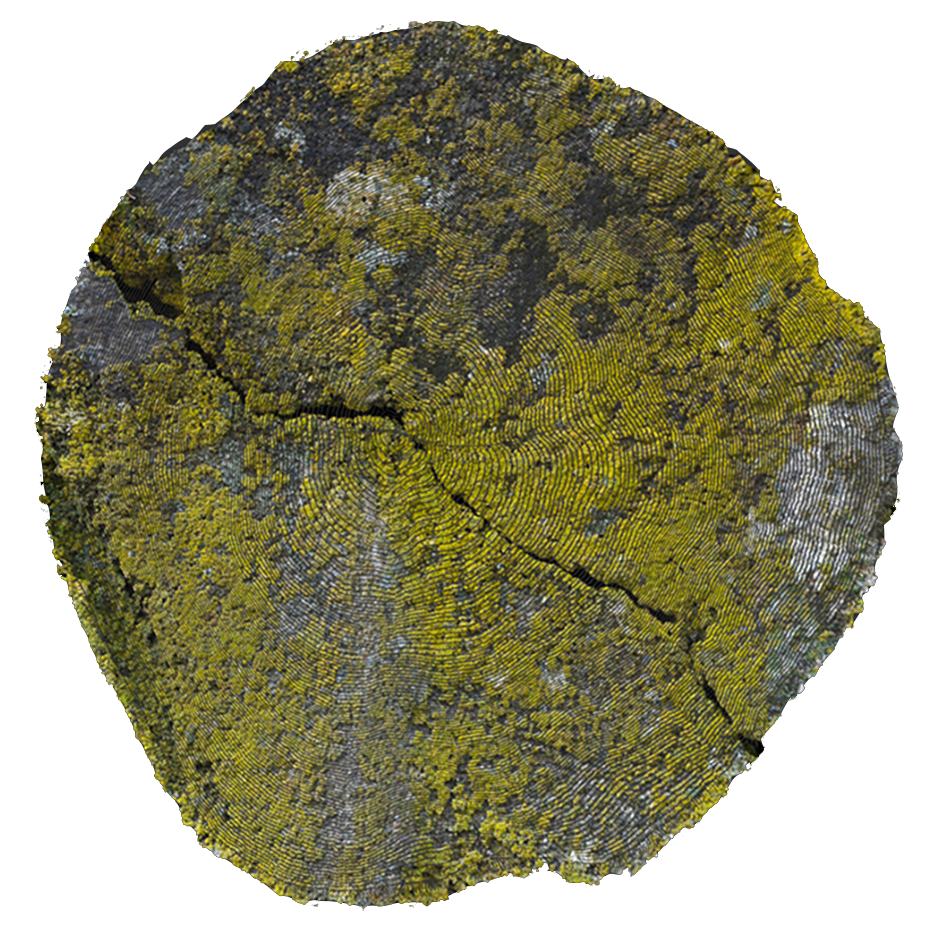
Memory & Health
The materials we build with serve as a powerful bridge to the past while shaping our future. Material research and reuse have been foundational tenets of our work, resulting in multisensory environments that evoke memory and strengthen connections to place that supports health and wellbeing. The incorporation of repurposed elements reduce environmental impact, while cultivating the landscape’s cultural identity and sustainable values.
Through research with the community, our work with the Richmond National Slavery Museum at Lumpkin’s Jail and the Piedmont Botanic Garden identified culturally significant seeds carried across the Atlantic through the transatlantic slave trade. This ethnobotanical research recognized the cultural resonances that botany has in holding memory and the enduring imprint of the communities who cultivated them.
Where Material Meets Care