Serving Adults with Autism
How can outdoor public spaces be designed to best serve adults with autism?
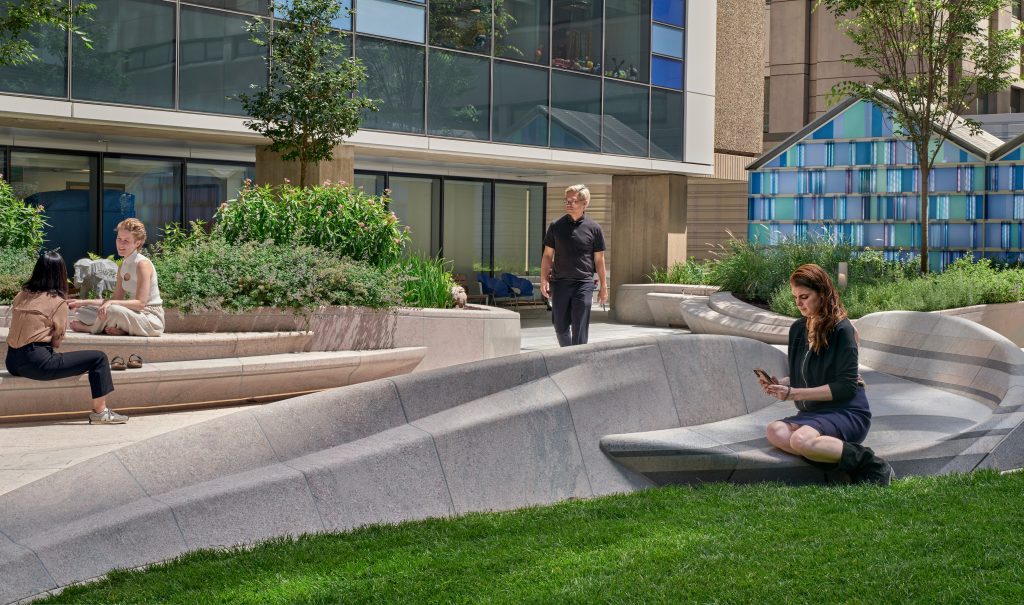
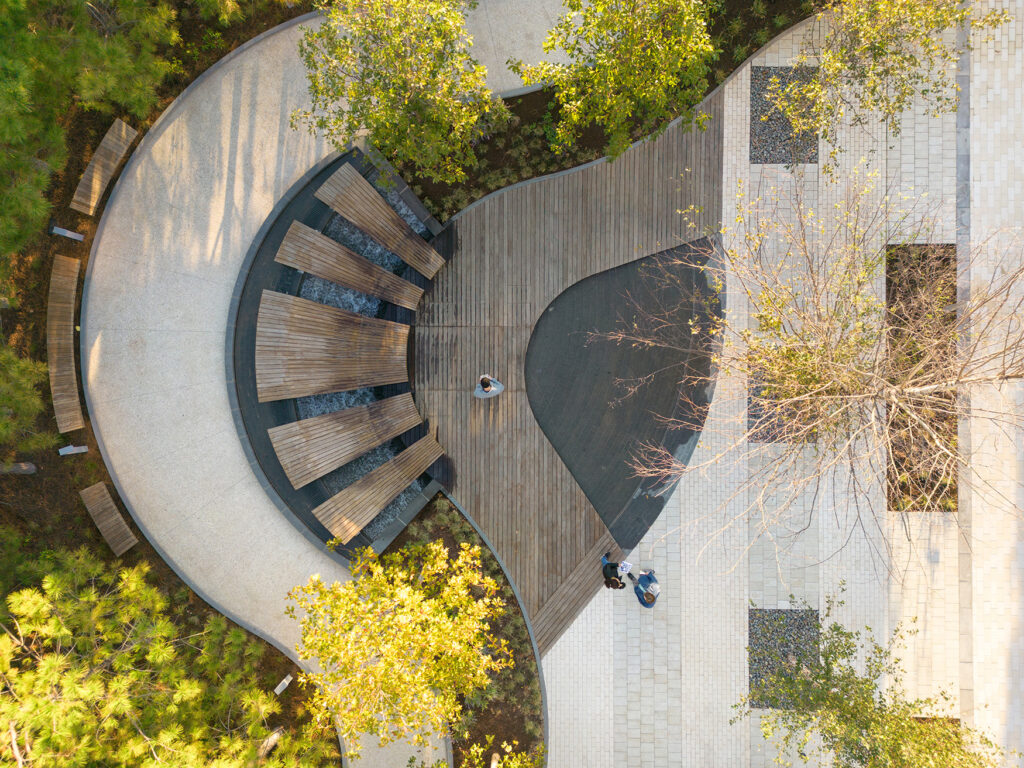
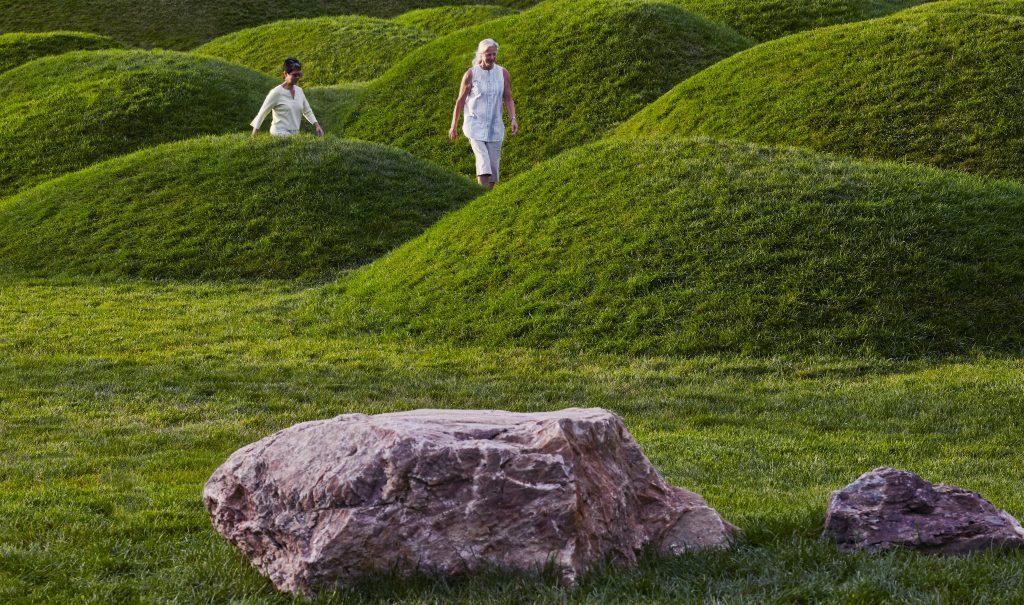
Autism is a neurodevelopmental condition that affects individuals from an early age through adulthood. As autism diagnoses rise; from 1 in 150 children in 2000 to 1 in 36 today, there is an opportunity gain valuable insights that can shape the way we build our public spaces. While awareness of neurodiversity is growing, urban design remains largely out of sync with the sensory and social realities of adults on the autism spectrum. Our research explores how landscapes can be designed to best serve the adult population with autism, aiming to create social infrastructure that balance sensory engagement, social interaction, and restorative environments. By bridging the gap between scientific research and design application, our work supports the diverse sensory needs and facilitates meaningful community engagement for a wider spectrum of the public. Our goal is to expand the concepts of universal to design to include neurodiversity as a criteria for design consideration.
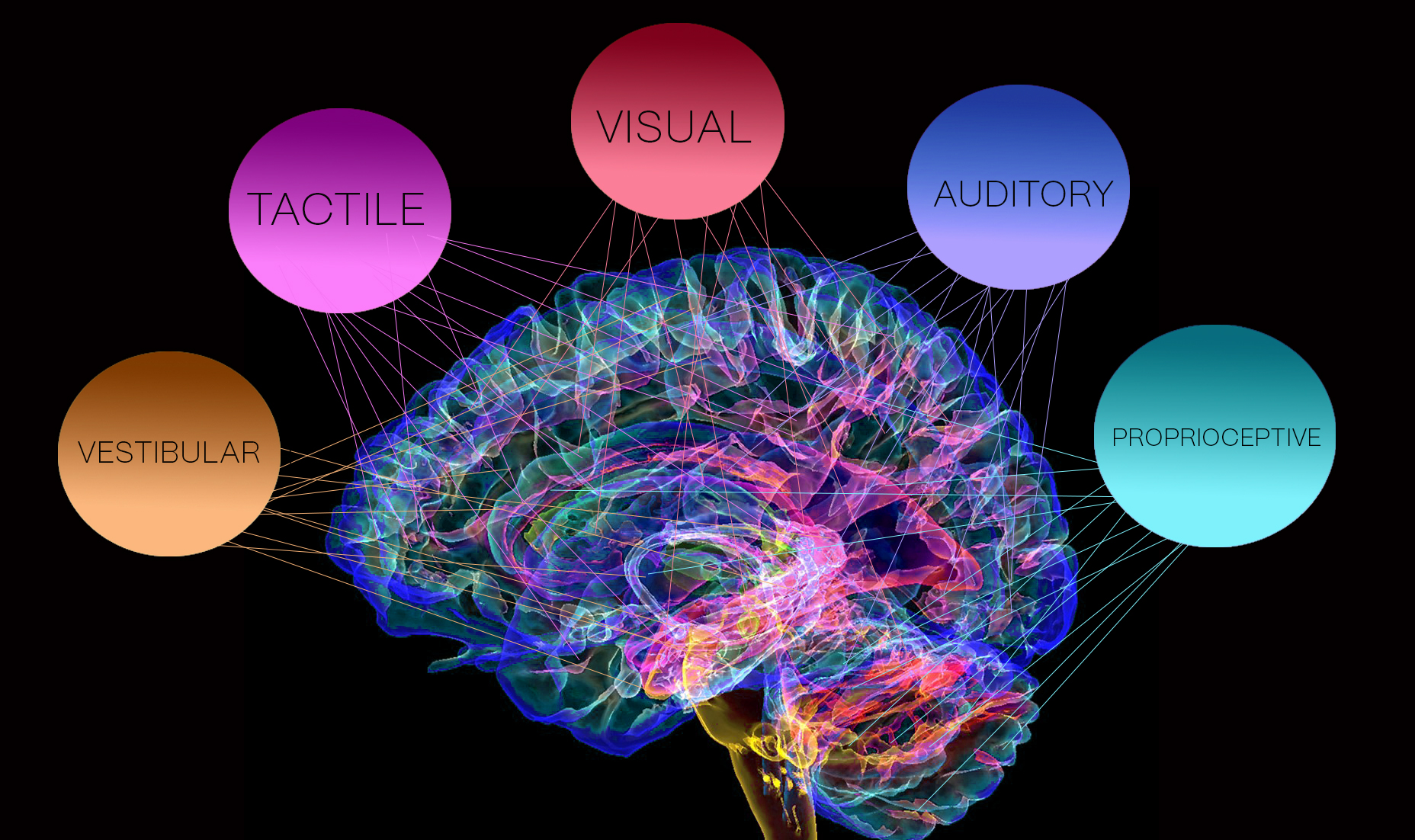
Much of the studies on autism is focused on a younger demographic leaving the needs of adults vastly understudied and underserved. Adults with autism experience a range of sensory processing differences: over responsivity, under responsivity, sensory avoiding, and sensory seeking. For meaningful participation in community life, outdoor spaces must support both social connection and restorative solitude that recognizes the need for both social vitality and quiet reflection. For these individuals, thriving in community life often requires a delicate balance between connection and solitude.
Fortunately, emerging voices are expanding the dialogue about neurodiverse design. The Neuroscapes Design Collective, a collaboration of designers and occupational therapists, are developing forthcoming resources that will equip practitioners with practical strategies to design public spaces that embrace neurological diversity. By translating academic research and lived experience into actionable design tools, this initiative aims to expand the very definition of universal design to include sensory and cognitive dimensions.
Our continued applied research embraces the call for “nothing about us without us” through Participatory Action Research (PAR).The phrase, also the title of his book, Nothing About Us Without Us: Disability Oppression and Empowerment (1998), became a slogan for the disability community as well as, more recently, other groups and movements. PAR is a collaborative research approach where researchers and community members work together to identify problems, collect data, and implement solutions to create positive change (Deming & Swaffield, 2011).
This research addresses a critical gap in landscape architecture by centering autistic experiences in public space design.Our goal is to better understand the diverse neurological experiences, ultimately advancing a more welcoming and accessible built environment and expanding the definition of universal design to include cognitive and sensory dimensions.